
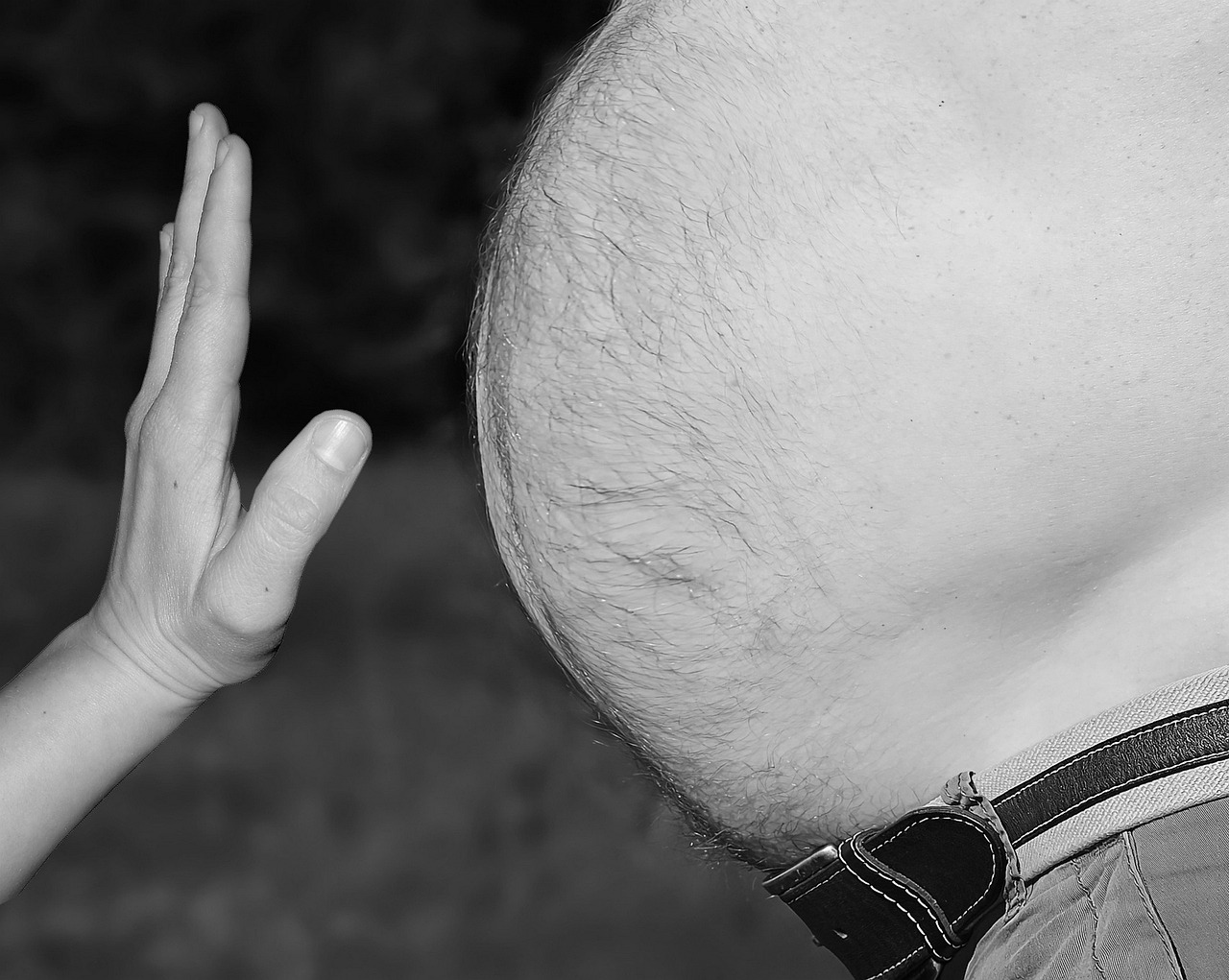
Obesity, a multifaceted health condition characterized by excess body fat accumulation, has emerged as an international epidemic with far-reaching consequences for individuals and societies alike. While obesity affects both men and women, its impact on men’s health and fitness is profound and warrants closer examination. From heightened risks of chronic diseases to challenges in achieving optimal fitness levels, here’s a comprehensive look at how obesity affects men’s health and fitness:
Increased Risk of Chronic Diseases
 Obesity serves as a significant risk factor for a myriad of chronic diseases that can profoundly impact men’s health and longevity. The excess accumulation of visceral fat, particularly around the abdomen, contributes to insulin resistance, dyslipidemia, and systemic inflammation, which underlie the pathophysiology of many obesity-related diseases. Managing weight through lifestyle modifications, including diet and exercise, is paramount in reducing the risk of developing these chronic conditions.
Impaired Metabolic Health
Obesity profoundly influences metabolic health, disrupting glucose homeostasis, lipid metabolism, and hormonal balance in men. Insulin resistance, a hallmark of obesity, impairs glucose uptake and utilization by peripheral tissues, leading to hyperglycemia and compensatory hyperinsulinemia. The dysregulation of lipid metabolism in obesity contributes to elevated levels of triglycerides, LDL cholesterol, and reduced HDL cholesterol, increasing the risk of atherosclerosis and cardiovascular events. Additionally, obesity disrupts adipokine secretion, resulting in chronic low-grade inflammation and metabolic derangements that predispose men to metabolic syndrome and its associated complications.
Impact on Reproductive Health
Obesity can have adverse effects on male reproductive health, including reduced fertility, sexual dysfunction, and hormonal imbalances. Excess adiposity is associated with alterations in sex hormone levels, including decreased testosterone production and increased estrogen synthesis, which can adversely affect sperm quality and reproductive function. Obesity-related comorbidities further exacerbate reproductive dysfunction in men. Addressing obesity through weight loss interventions and lifestyle modifications may improve fertility outcomes and mitigate reproductive health issues in obese men.
Challenges in Physical Fitness and Performance
Obesity imposes significant challenges to achieving optimal physical fitness and athletic performance in men. Excess body weight presents additional strain on the musculoskeletal system, leading to joint pain, reduced mobility, and functional limitations. Obese individuals may experience fatigue, shortness of breath, and decreased exercise tolerance during physical activity, limiting their ability to engage in regular physical training and maintain fitness levels.
Psychosocial Impact and Quality of Life
Men with obesity may experience stigma, discrimination, and social ostracism, leading to feelings of shame, depression, and social isolation. The psychosocial burden of obesity can exacerbate mental health issues and hinder men’s willingness to seek help or participate in health-promoting behaviors. Cultivating a supportive environment, seeking professional counseling, and fostering a positive body image can mitigate the psychosocial impact of obesity and enhance men’s overall well-being and resilience.
Conclusion
 Obesity exerts a multifaceted impact on men’s health and fitness, predisposing them to a higher risk of chronic diseases, cardiovascular complications, reproductive dysfunction, and impaired physical performance. Addressing obesity requires a comprehensive approach that encompasses lifestyle modifications, dietary interventions, regular exercise, and behavioral changes. By adopting healthy habits, seeking medical guidance, and addressing underlying metabolic and hormonal imbalances, men can mitigate the adverse effects of obesity and improve their overall wellness.