
What Is Red Light Therapy and How Does It Work?
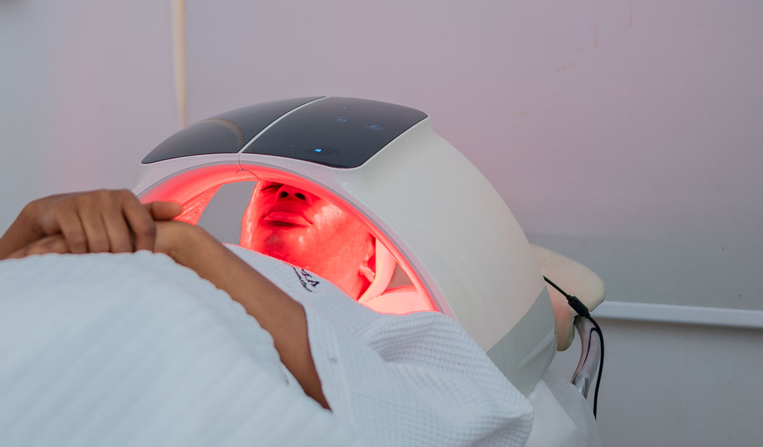
Sometimes the simplest health questions attract the most complicated answers. This portable red light therapy device has become the topic of the year since people want practical wellness tools backed by science instead of hype. Fortunately, the basic idea is surprisingly straightforward. Red light therapy uses specific wavelengths of light that interact with cells in ways researchers believe may support normal biological functions. Give me 3 minutes, and I’ll tell you everything to know about this therapy.
It Uses Specific Wavelengths of Light
Red light therapy is different from ultraviolet light, which can damage the skin with excessive exposure. Instead, it relies on red and near-infrared wavelengths that penetrate the skin without producing the same harmful effects. Scientists have studied these wavelengths for years in both laboratory and clinical settings. The goal is to stimulate natural cellular activity rather than force artificial changes. Red light works by reaching beneath the skin’s surface, where cells absorb light energy. That interaction begins a chain of biological responses still being actively studied.
The Focus Is Cellular Energy

Inside nearly every cell are mitochondria, often called the cell’s power plants. Their main job is producing energy that cells need to perform everyday tasks. Research suggests certain wavelengths of red light may improve how efficiently mitochondria produce that energy. More available energy may support the body’s normal repair and maintenance processes. Think of a smartphone running on one percent battery. It still functions, but many features slow down. Charge the battery, and performance improves. Cells respond in a somewhat similar way when they have the resources needed to carry out their regular work.
Research Covers Several Areas of Health
Scientists have investigated red light therapy for skin appearance, muscle recovery, joint comfort, and wound healing. Results vary depending on the condition being studied, treatment schedule, and device used. Some findings are encouraging, while other areas require additional research before firm conclusions can be made. Science rarely delivers simple yes-or-no answers overnight. That uncertainty is actually a strength rather than a weakness. Researchers continue testing different wavelengths, treatment durations, and health applications to better understand what works best. As evidence grows, recommendations become more refined.
Consistency Matters More Than Intensity

One common misconception is that longer or stronger treatments automatically produce better outcomes. Most research uses controlled exposure times rather than unlimited sessions. Following manufacturer recommendations allows treatments to remain consistent while avoiding unrealistic expectations. More isn’t always better. Lifestyle also plays a major role. Sleep, balanced nutrition, physical activity, and stress management influence many of the same biological systems researchers examine in light therapy studies. Red light therapy works alongside healthy habits instead of replacing them. Think of it as another supporting player rather than the star of the show.
Understanding the Technology Helps Set Realistic Expectations
Red light therapy continues gaining attention because it offers a non-invasive approach that fits into many wellness routines. That popularity has also created exaggerated marketing claims promising dramatic transformations. A healthy dose of skepticism helps separate evidence from advertising. Real progress usually arrives through steady habits instead of overnight breakthroughs. The current body of research suggests red light therapy has meaningful potential in several areas, particularly when used consistently and appropriately. At the same time, no single device can replace a healthy lifestyle or medical care when needed.…
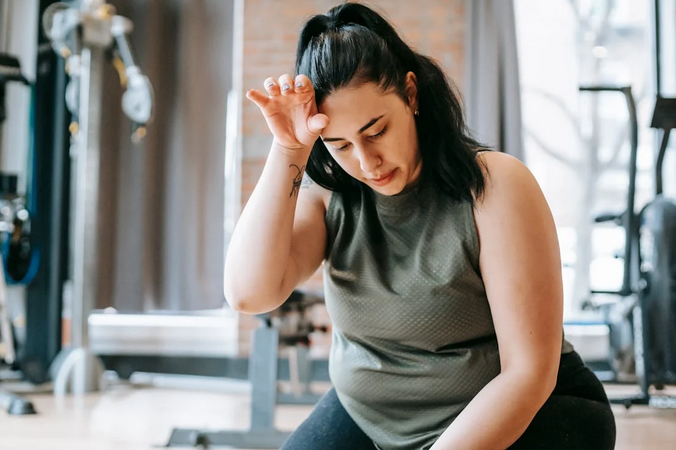





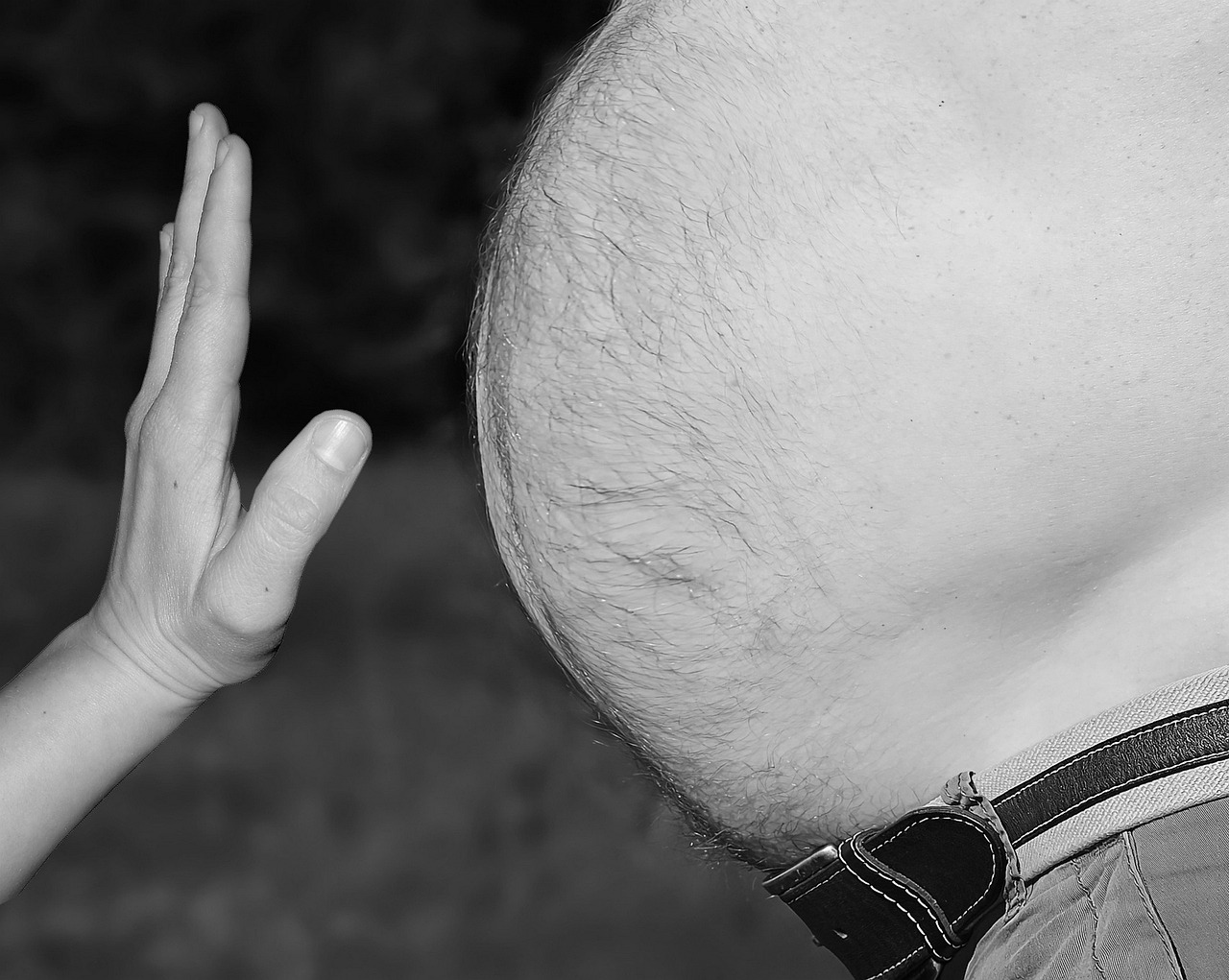
 Obesity serves as a significant risk factor for a myriad of chronic diseases that can profoundly impact men’s health and longevity. The excess accumulation of visceral fat, particularly around the abdomen, contributes to insulin resistance, dyslipidemia, and systemic inflammation, which underlie the pathophysiology of many obesity-related diseases. Managing weight through lifestyle modifications, including diet and exercise, is paramount in reducing the risk of developing these chronic conditions.
 Obesity exerts a multifaceted impact on men’s health and fitness, predisposing them to a higher risk of chronic diseases, cardiovascular complications, reproductive dysfunction, and impaired physical performance. Addressing obesity requires a comprehensive approach that encompasses lifestyle modifications, dietary interventions, regular exercise, and behavioral changes. By adopting healthy habits, seeking medical guidance, and addressing underlying metabolic and hormonal imbalances, men can mitigate the adverse effects of obesity and improve their overall wellness.…



 Our environment and lifestyle is known to play a crucial role in our overall
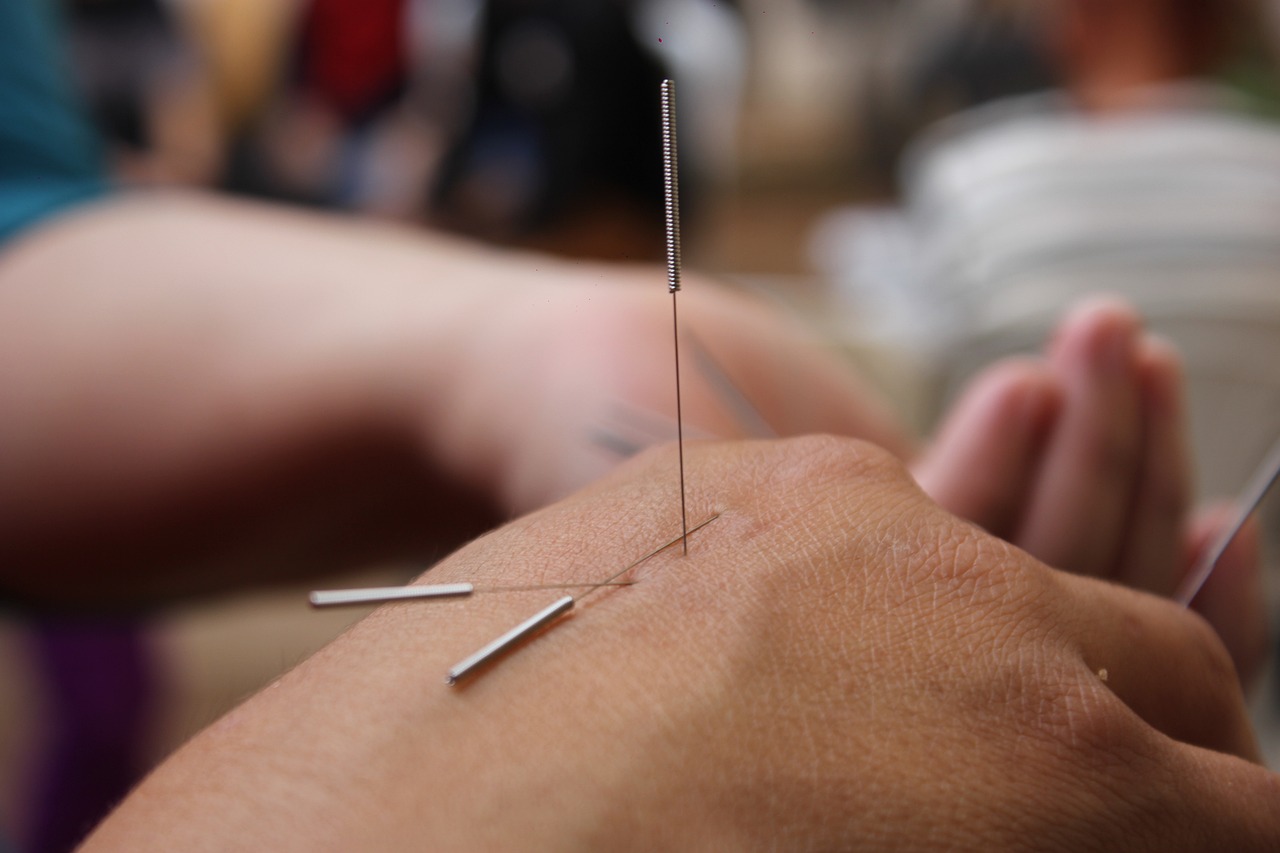
 The first common side effect of acupuncture is nausea. This can be caused by the stimulation of the needles, as well as an overload in the body’s energy pathways. If you experience nausea after acupuncture, it should resolve itself in a few hours. Many practitioners recommend taking ginger or peppermint to combat nausea after an acupuncture session. But, if you do not like the taste of ginger or peppermint, you can also try eating some crackers. This will help settle your stomach and make the symptoms more bearable.
 The third common side effect of acupuncture is exhaustion. This can be caused by the body’s meridians becoming overloaded with energy, leading to fatigue. Exhausted feelings can last anywhere from a few minutes to several hours after an acupuncture session. To combat this, it is important to rest and drink plenty of fluids. You should also avoid strenuous physical activities for the next 24 hours, which could worsen the fatigue. People who do not get enough rest are more likely to experience exhaustion after acupuncture. It is important to remember that not all of these side effects will occur in everyone, and you may even experience other side effects that were not discussed here.
 Health rehabilitation facilities offer various services that can improve your physical health. For example, many centers provide physical therapy to help you recover from an injury or surgery. They may also have exercise programs to help you stay in shape and avoid further injuries. However, checking with your insurance company before enrolling in a health rehabilitation facility is advisable to ensure that all of their services are covered.
 Another benefit of health rehabilitation facilities is that they provide a drug and alcohol-free environment. This can be highly beneficial for those trying to recover from addiction. It can also help you avoid triggers that may cause you to relapse. If you are considering enrolling in a health rehabilitation facility, be sure to ask about their policies on drugs and alcohol.
 We all know that drinking too much alcohol can negatively affect our health, but did you know that it can also weaken your immune system? When you drink excessively, your body becomes dehydrated, which can lead to many problems, including a weakened immune system. Alcohol also impairs the ability of your white blood cells to fight infection, which can lead to you getting sick more easily. When it comes to your immune system, it’s best to stick to the moderate drinking guidelines set by the CDC, which is no more than two drinks per day for men and one drink per day for women.
 Most people on Earth love something sweet, but consuming too much sugar can harm your immune system. That’s because sugar can interfere with the ability of your white blood cells to fight infection. In addition, sugar can also lead to weight gain, which can further weaken your immune system. Limiting sugar intake is essential if you want to keep your immune system strong. The American Heart Association suggests that grown-ups consume no more than six teaspoons of added sugar daily. So, there you have four bad habits that can ruin your immune system. If you want to keep your immune system strong and healthy, avoiding these habits is essential.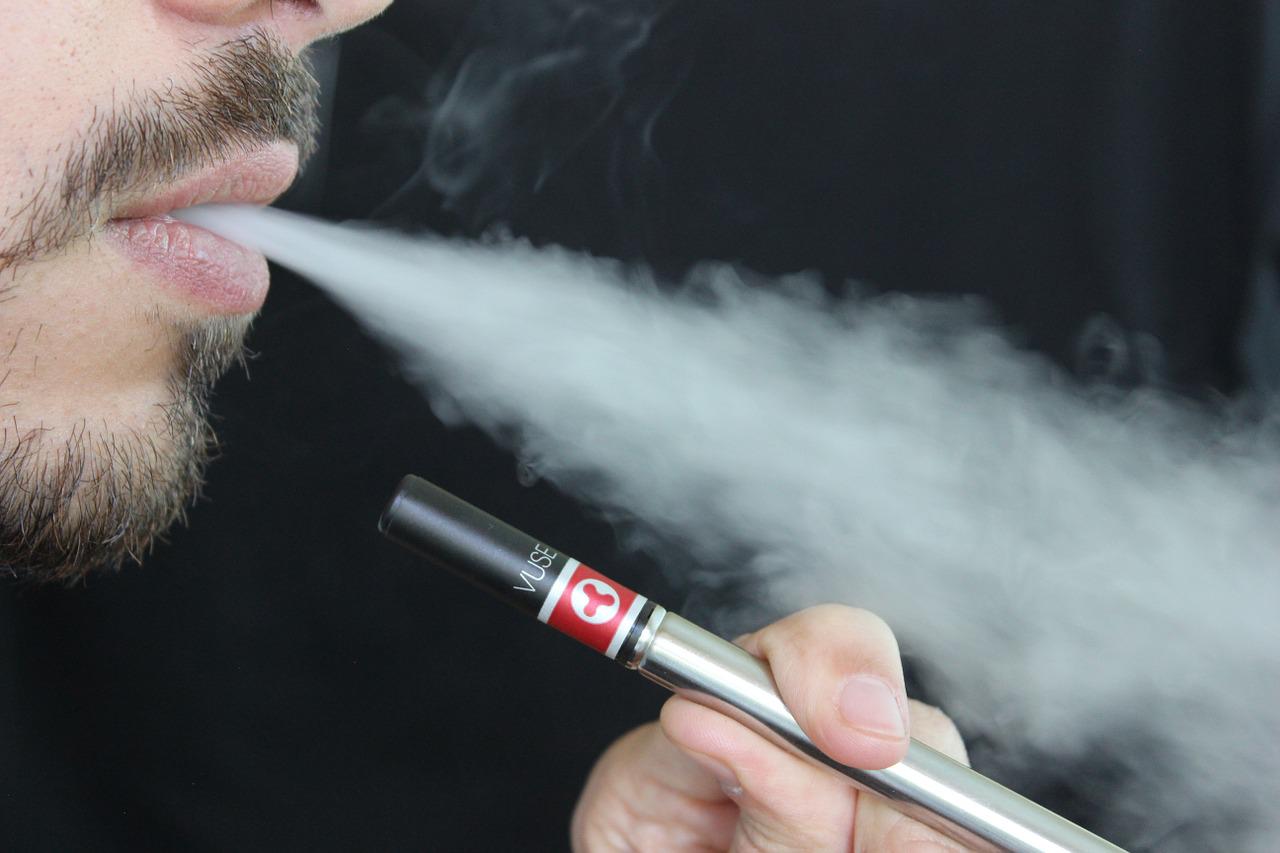
 While many people believe that vaping is just as addictive as smoking, this is actually not true. In fact, studies have shown that vaping is less addictive than smoking. This is because nicotine is absorbed differently when you vape than when you smoke.
 If you are a smoker, then you know how expensive cigarettes can be. In fact, the average smoker spends about $600 per year on cigarettes. On the other hand, vaping is much cheaper than smoking. This is because you can save a lot of money by buying vape juice in bulk.

 What’s best about having a Montessori floor bed for your baby is developing their motor skills and coordination. It is especially beneficial for them since it will help their minds understand how to move around in the room with ease.