
Healthy Habits That Secretly Stress You Out
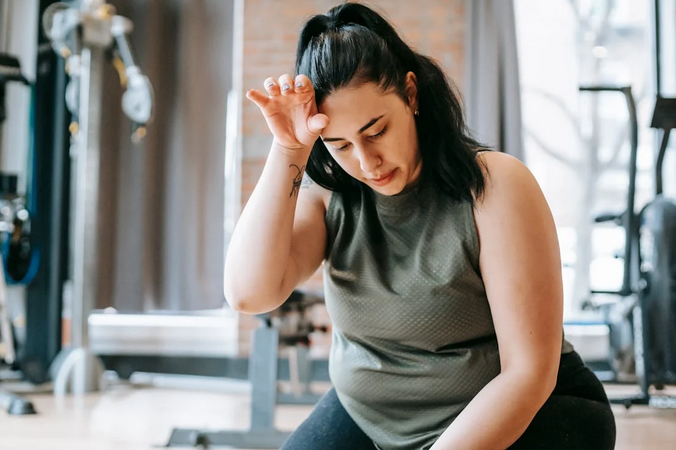
We’re constantly told that certain habits—like exercising regularly, eating clean, and meditating—are the keys to a happier, healthier life. And they can be. But sometimes, the very routines meant to reduce stress end up creating it. From rigid fitness schedules to overthinking self-care, healthy habits can backfire when approached with perfectionism, guilt, or unrealistic expectations. Recognizing the hidden stress in your routines is the first step to making them genuinely supportive rather than exhausting.
Fitness Obsession
Exercise is usually great for mental health, but when it becomes rigid or competitive, it can create pressure instead of release. Skipping a workout might trigger guilt, and pushing your body to exhaustion can lead to injury or burnout. The stress of needing to “earn” your health through punishment-style workouts can turn an energizing habit into a source of anxiety.
Excessive Productivity
Journaling, planning, and goal-setting are often touted as healthy habits for personal growth. But when these routines become strict obligations, they can feel like another job. Obsessively tracking progress, making to-do lists, or holding yourself accountable to unrealistic standards can make self-improvement stressful instead of empowering.
Mindfulness Overload
Meditation and mindfulness are supposed to calm the mind, but they can backfire when approached as “perfect” practices. Worrying that you’re not meditating correctly, thinking you’re failing at relaxation, or forcing yourself into daily routines can actually increase anxiety. Sometimes, the pressure to be mindful becomes more stressful than the original tension you were trying to ease.
Overly Strict Dieting

Eating “clean” or following strict meal plans can feel empowering at first, but they often carry hidden stress. Constantly tracking macros, counting calories, or avoiding certain foods can make every meal feel like a high-stakes test. The anxiety around making a “wrong” choice can outweigh the benefits of healthy eating. When food becomes a source of guilt instead of nourishment, the habit is doing more harm than good.
Sleep Obsession
Getting enough sleep is essential, but obsessing over it can create anxiety instead of rest. Tracking every hour, stressing about bedtime, or feeling guilty for not achieving “perfect” sleep schedules can make nights feel tense and restless. Ironically, focusing too much on sleep often reduces the quality of sleep itself, creating a vicious cycle of stress.
Social Media “Wellness” Pressure
Following wellness influencers or reading about health trends can feel inspiring, but it can also create pressure to live up to idealized lifestyles. Comparing your routines, meals, workouts, or self-care habits to someone else’s polished feed can make your healthy habits feel inadequate. The stress of “not doing enough” often cancels out the benefits of the very habits you’re trying to maintain.
Not all healthy habits are stress-free. Overly strict diets, intense workouts, productivity obsession, mindfulness pressure, sleep anxiety, and social media comparison can all secretly add tension to your life. The key is approaching wellness with flexibility, self-compassion, and mindfulness, rather than perfectionism. Healthy habits should serve you, not the other way around. By letting go of rigid expectations and listening to your own needs, you can make routines that genuinely support your well-being instead of secretly wearing you down.…






 Our environment and lifestyle is known to play a crucial role in our overall

 Health rehabilitation facilities offer various services that can improve your physical health. For example, many centers provide physical therapy to help you recover from an injury or surgery. They may also have exercise programs to help you stay in shape and avoid further injuries. However, checking with your insurance company before enrolling in a health rehabilitation facility is advisable to ensure that all of their services are covered.
 Another benefit of health rehabilitation facilities is that they provide a drug and alcohol-free environment. This can be highly beneficial for those trying to recover from addiction. It can also help you avoid triggers that may cause you to relapse. If you are considering enrolling in a health rehabilitation facility, be sure to ask about their policies on drugs and alcohol.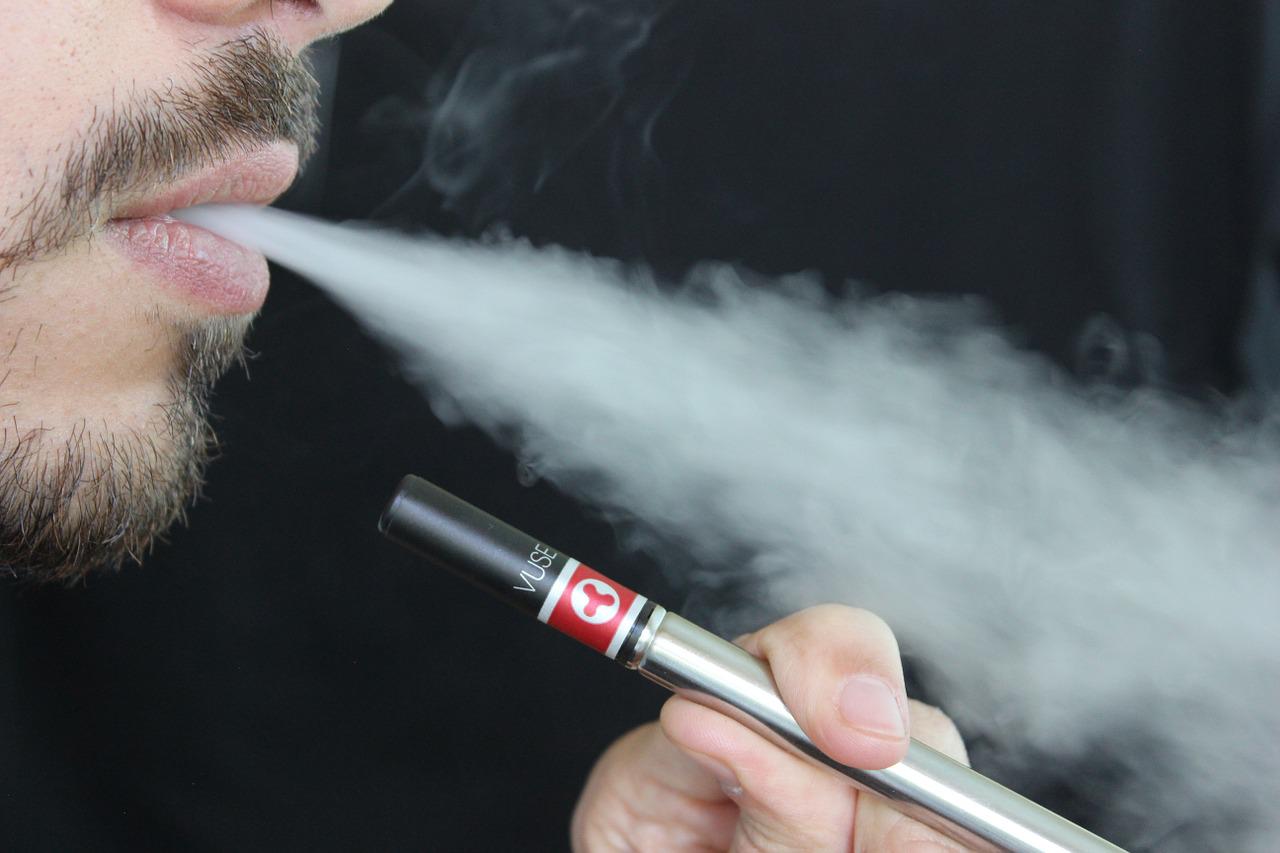
 While many people believe that vaping is just as addictive as smoking, this is actually not true. In fact, studies have shown that vaping is less addictive than smoking. This is because nicotine is absorbed differently when you vape than when you smoke.
 If you are a smoker, then you know how expensive cigarettes can be. In fact, the average smoker spends about $600 per year on cigarettes. On the other hand, vaping is much cheaper than smoking. This is because you can save a lot of money by buying vape juice in bulk.

 What’s best about having a Montessori floor bed for your baby is developing their motor skills and coordination. It is especially beneficial for them since it will help their minds understand how to move around in the room with ease.
 You can reduce stress by simply engaging in physical activities. The physical activity can be as simple as taking a walk or jogging. It will help to burn away your frustration, anger, and tension, resulting in reduced stress. During the