
Imagine your industrial or commercial facility has just experienced a biohazardous incident such as a sewage backup, chemical spill, or crime scene. These types of situations can be very traumatic and dangerous, and you want to ensure that the affected areas are cleaned up quickly and thoroughly to prevent any health hazards. This is where professional biohazard cleanup services come in.
They have the expertise, equipment, and techniques to safely and effectively clean up any biohazardous situation. But what exactly do they do to handle contaminated areas? How do they ensure that the area is properly cleaned and sanitized? Let’s take a look at some of the techniques used by professional biohazard cleanup services.
Advanced Cleaning Agents

Professional biohazard cleanup services rely on a range of advanced cleaning agents to tackle contaminated areas effectively. These specialized cleaning solutions are specifically formulated to break down and remove hazardous substances, such as blood, bodily fluids, chemicals, and other biohazards. One key aspect of these advanced cleaning agents is their ability to disinfect surfaces thoroughly, ensuring that all traces of contaminants are eliminated. This aids in preventing the spread of pathogens and lowering the risk of exposure to harmful microorganisms.
Moreover, these cleaning agents are designed to penetrate porous materials like wood, carpeting, and upholstery, where biohazards can seep in. By reaching deep into these surfaces, the agents can effectively neutralize any contaminants present.
HEPA Vacuuming and Filtration
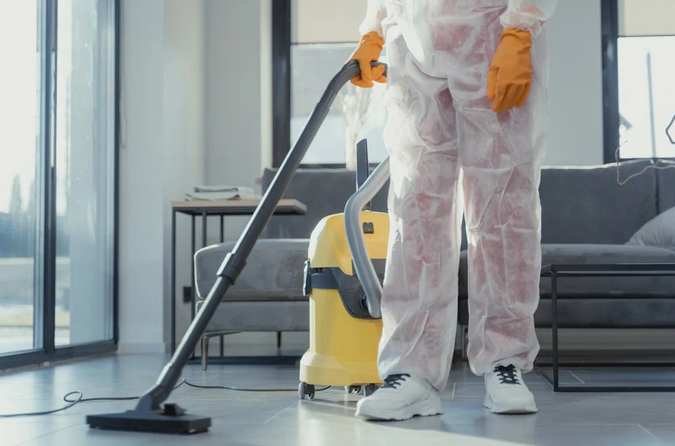
But why not traditional vacuums? HEPA vacuums are equipped and designed with high-efficiency particulate air filters that can easily capture even the smallest particles, including harmful pathogens and contaminants. This advanced technology helps to effectively remove debris and pollutants from surfaces.
By using HEPA filtration systems during cleanup processes, professionals can prevent the spread of hazardous materials and maintain a safe environment for both themselves and others. These specialized tools are essential for containing biohazards and minimizing the risk of exposure.
Use of Ozone and Hydroxyl Generators

When it comes to biohazard cleanup services, the use of ozone and hydroxyl generators plays a crucial role in ensuring thorough decontamination. Ozone generators work by producing ozone gas, which helps eliminate odors and kill bacteria, viruses, and other pathogens present in the air and on surfaces.
On the other hand, hydroxyl generators utilize advanced technology to create hydroxyl radicals that effectively break down organic compounds like mold spores, volatile organic compounds (VOCs), and more. These machines are safe for use around people, pets, plants, and sensitive materials as they mimic nature’s process of cleaning the air.
Containment Protocols
These protocols involve creating barriers to prevent the spread of contaminants beyond the affected area. One common technique used is establishing a physical barrier using plastic sheeting or other impermeable materials. This helps isolate the contaminated area and minimize cross-contamination.
Additionally, air scrubbers may be utilized to maintain negative air pressure within the containment zone, preventing airborne particles from escaping. Workers must also adhere to strict decontamination procedures when entering or exiting the contained area. This often involves donning specialized personal protective equipment (PPE) and following meticulous cleaning protocols to avoid spreading contamination.